
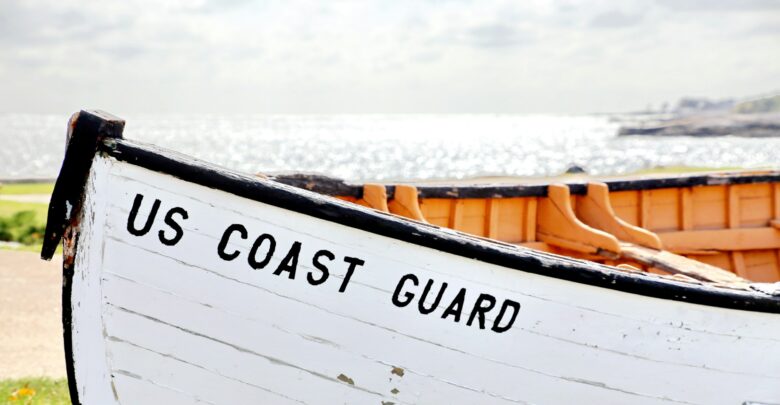
Coast Guard Jobs: A Practical Guide to a Purpose-Driven Maritime Career
Coast guard jobs sit at the rare intersection of public service, adventure, and technical skill. Whether patrolling busy shipping lanes, responding to distress calls in heavy weather, or educating local communities about boating safety, coast guard professionals protect both people and the maritime environment. If you’re drawn to the sea, enjoy teamwork, and want a career with tangible impact, this field offers an exceptional path—rich in training, specialization, and opportunities to grow.
When you start researching language and communication requirements for international operations, you’ll often stumble on search terms like Frontex english in study guides and forums. The bigger takeaway is that clear radio communication, standardized phraseology, and functional proficiency in English (or your region’s operational lingua franca) are real career assets for coast guard candidates, especially on multi-agency missions at sea.
What Coast Guards Actually Do
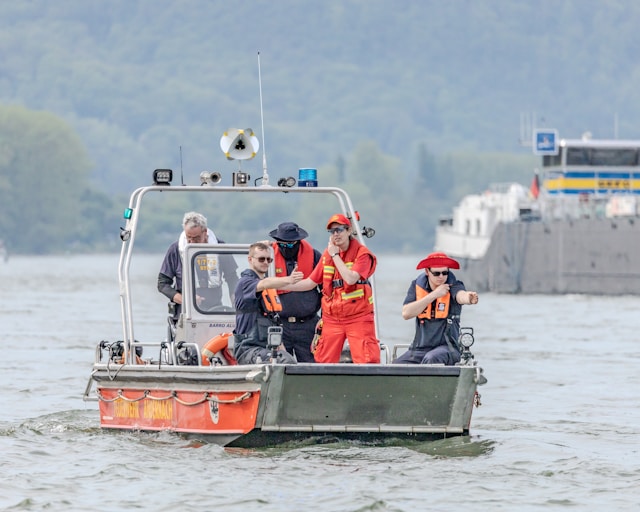
Although each country’s service differs, the core mission set tends to include: search and rescue, maritime law enforcement, counter-smuggling and counter-narcotics, fisheries protection, port and waterway security, and environmental response. On any given week, a patrol boat crew might interdict an unsafe vessel, escort a tanker through a narrow channel, investigate an oil sheen, or coordinate a nighttime rescue in rough seas. This dynamic mix demands both seamanship and judgment—professionals who can make fast decisions, follow procedure, and stay calm under pressure.
Roles and Pathways In
Most services offer two broad tracks: enlisted and officer. Enlisted roles include boatswain’s mates (deck seamanship specialists), machinery technicians, communications and navigation techs, coxswains (small-boat drivers), marine science technicians (pollution response and inspections), and maritime enforcement specialists. Officer roles focus more on leadership, navigation and command, operational planning, marine safety inspections, and aviation. Some organizations also employ civilians in specialties like logistics, finance, engineering, and IT, working alongside uniformed personnel.
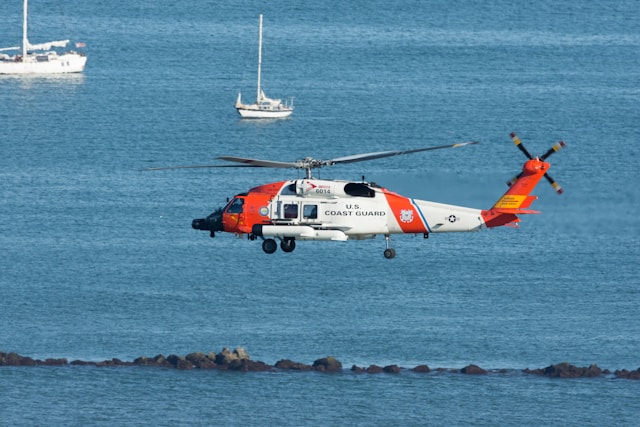
Entry routes vary: some candidates apply directly from civilian life and attend recruit training, while others come from merchant marine programs, university maritime academies, or prior military service. If aviation appeals to you, there are tracks for pilots, aircrews, and rescue swimmers—highly competitive roles that require top physical conditioning and mental resilience.
Minimum Requirements and What Helps
Typical prerequisites include age limits, background checks, medical clearance, swimming ability, and baseline fitness. Good vision and hearing matter, especially for small-boat operations and aviation. Beyond the minimums, standout candidates bring:
- Solid swimming and water confidence.
- Familiarity with navigation basics: charts, buoys, tides, and bearings.
- Comfort with radios and standard call procedures.
- Team sports or group leadership experience.
- A second language—useful on international or migrant-support missions.
- Community service or lifeguard/EMT credentials.
If you’re early in the process, consider seasonal lifeguarding, volunteer search-and-rescue, or a basic seamanship course to validate your interest and strengthen your application.
Training: From Boot Camp to Boat Crew
Initial training builds core military or uniformed discipline, physical fitness, maritime safety, and the fundamentals of seamanship and law enforcement. From there, you’ll rotate through schools and qualifications: boat crew, coxswain, boarding officer, damage control, pollution response, and more. Aviation pipelines add water survival, hoist operations, and aircraft systems. Expect scenario-based training—boarding a non-compliant vessel, treating a hypothermic survivor, conducting a man-overboard recovery in darkness—because realism saves lives when the weather turns and the margin for error shrinks.
Life on the Job
Assignments vary widely. At a small coastal station, you’ll stand search-and-rescue duty, inspect local marinas, and launch on short-notice cases. On a cutter (larger ship), you might deploy for weeks, conducting long-range patrols, inspections, or humanitarian missions. Aviation crews train constantly for hoists, medevacs, and wide-area search patterns. The rhythm blends routine preventive work—equipment checks, drills, paperwork—with unpredictable operations that demand total focus. In return, you get a tightknit crew, hard-earned skills, and a sense of purpose that few desk jobs can match.
Specializations Worth Knowing
As your career advances, consider niches that align with your strengths:
- Search and Rescue (SAR): The soul of the service—navigation precision, boat handling, and medical response.
- Maritime Law Enforcement: Boardings, evidence handling, rules of engagement, and interagency operations.
- Marine Environmental Protection: Spill response, inspections, and ecological restoration coordination.
- Aviation: Helicopter or fixed-wing roles for surveillance, SAR, and logistics.
- Port Security and Marine Safety: Inspections, investigations, and regulatory compliance for vessels and facilities.
- C5ISR and Cyber: Communications, sensors, and information security—crucial in modern maritime operations.
- Uncrewed Systems: Surface and aerial drones for surveillance, search patterns, and hazardous-area assessment.
Diverse specializations make your career resilient, opening doors to leadership roles, instructor billets, and later civilian opportunities in ports, shipping, offshore energy, and emergency management.
Pay, Benefits, and Lifestyle
Compensation structures differ globally, but many coast guard services offer stable salaries with locality or sea-duty allowances, healthcare coverage, paid leave, and retirement programs. You’ll also find education benefits—tuition assistance, certifications, and professional courses—that translate directly to seafaring, logistics, or safety careers outside uniformed service. The lifestyle requires adaptability: duty rotations, occasional long deployments, and a willingness to live near the water. Most members will tell you that the camaraderie and mission payoff are worth the schedule tradeoffs.
How to Compete as an Applicant
Treat your application like a multi-stage plan:
- Fitness First: Build a balanced program—cardio intervals, swimming technique, core stability, and functional strength. Aim to exceed minimum standards to reduce stress during training.
- Seamanship Basics: Learn to read a chart, plot a simple course, interpret light and buoy patterns, and calculate tide and current effects. Even basic fluency signals motivation.
- Communication Proficiency: Practice radio brevity, the phonetic alphabet, and standard safety phrases. Clear, calm transmissions win respect—and save time during emergencies.
- Professional Demeanor: Interviews and boards assess maturity, teamwork, and integrity. Use the STAR method (Situation, Task, Action, Result) to structure answers about difficult decisions or leadership challenges.
- Relevant Credentials: CPR/First Aid, EMT-B, lifeguard certifications, or a small-vessel operator course show initiative. If you have maritime work history—charter deckhand, ferry crew, marina staff—highlight practical problem-solving and safety habits.
- Mindset: Embrace checklists, SOPs, and continuous improvement. The best operators are curious learners who debrief honestly, take feedback, and keep skills sharp.
Long-Term Growth
Think of your first tour as a foundation. Master your platform—small boat, cutter, or aircraft—and earn key quals. Then map a three-to-five-year plan that layers in leadership (team lead, coxswain, boarding officer in charge), technical depth (navigation electronics, engines, or pollution response), and education (maritime safety certificates, incident command training). Mentors matter; seek supervisors who model calm under pressure and strong crew care. Over time you can step into operations planning, investigations, training commands, or joint-agency liaison roles that broaden your impact across the maritime safety system.
Final Word
Coast guard jobs are demanding for a reason: lives and livelihoods depend on fast, reliable action in a harsh environment. If you can pair grit with humility—drilling fundamentals until they’re second nature while staying open to new technologies and tactics—you’ll thrive. The sea will test you, but it will also reward you with a career that counts: measurable public good, hard-won skills, and a community that looks out for one another when the weather closes in. If that sounds like your kind of mission, start preparing today—the water is calling.